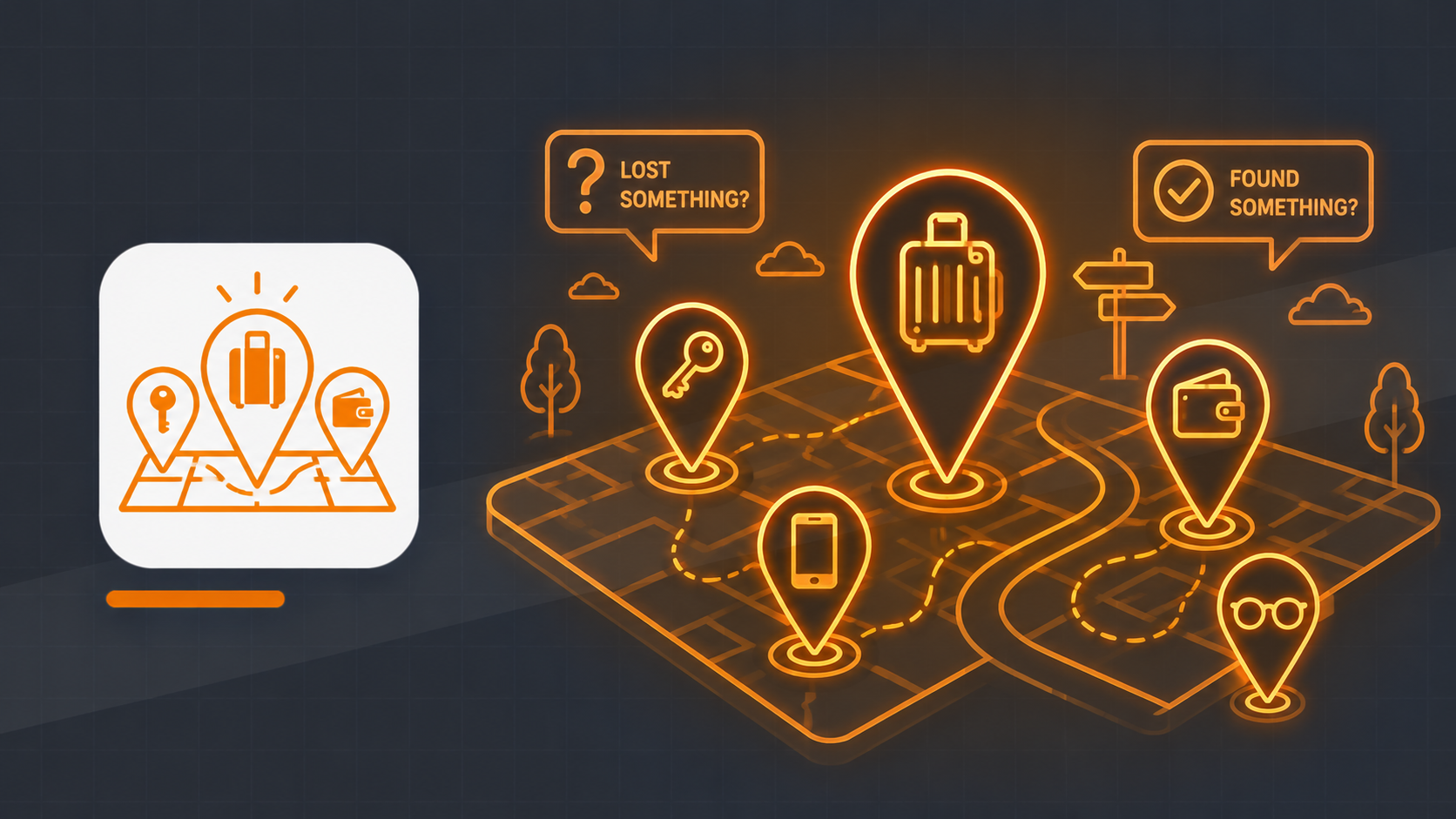
Losing something in a city used to mean asking a few shopkeepers and eventually giving up. A Lost & Found pin changes that completely: instead of searching everywhere yourself, everyone passing by the location can see exactly what was lost and where it happened.
If You Lost Something
Place the pin where you are certain you last had the item—the café terrace, the taxi stand, or the beach entrance—not your home.
Describe the item so that its rightful owner can be verified. Mention the colour and brand publicly, but keep one identifying detail private, such as the lock-screen photo, a scratch on the back, or the contents of a wallet. That hidden detail helps confirm the identity of the honest owner.
A photo is extremely helpful, even if it is an older one from your gallery.
For pets, include the name they respond to, the neighbourhood where they disappeared, and whether they wear a collar or have a microchip.
If You Found Something
Place the pin where you found the item and describe it only in general terms—for example: "A set of keys with a distinctive keyring near the market entrance." Let the owner provide the specific details.
Never publish photos of identity cards, bank cards, or official documents. Simply mention what was found and verify that the claimant knows the correct details before returning the item.
Meet Safely
Meet in a public place during daylight hours, such as a café, a shop, or in front of the post office. For valuable items, it is wise to bring a friend.
Use the in-app chat to keep a record of your conversation instead of moving immediately to private phone calls.
The Quiet Rule
Returning lost property is not a business. Anyone who demands a reward before returning an item is someone you should avoid—and, if appropriate, report.
Most people return lost belongings simply because they hope someone would do the same for them. The Lost & Found pin simply helps the right people find each other.
Where Brikoula Fits
A Lost & Found pin is free, takes only a minute to create, and continues working even while you sleep. Everyone browsing the map in that neighbourhood can see it.
When the owner and finder reconnect through the app's chat, a simple thank-you review lets the whole community know they have a trustworthy neighbour.